December 21, 2025


Markets constantly tempt traders to act early, size too large, or ignore risk altogether. Without a rules based framework, even the best setups eventually break down. At PairX, we’ve designed a rules based trading system around this reality. The indicators provide structure, but it’s the rules behind them that turn signals into consistent decision making.
In this training course, you’ll learn how to classify and assign weight to our different indicators, and how we combine that with stage analysis to get the most out of market moves, whether price is ranging or trending with momentum.
“The length of time it takes you to become a successful trader is directly tied to how quickly you master the emotions of greed and fear, ultimately developing patience.”
Before entering any trade, the first question should never be, “How much can I make?” It should be, “Where is the risk?”
A proper setup begins with making an unbiased read of the market. This means viewing price from both sides: what you want to happen, and what may actually be happening. During this process, resistance should be evaluated as a potential risk area for long trades, while support should be treated as potential risk for short trades.
Impatience naturally pushes traders to enter as soon as a setup appears especially when price starts moving in the direction of their bias. In reality, trades with less drawdown are far easier to manage and stick with. That’s why it’s important to separate identifying a trade idea from executing the best possible entry.
Every trade should include:
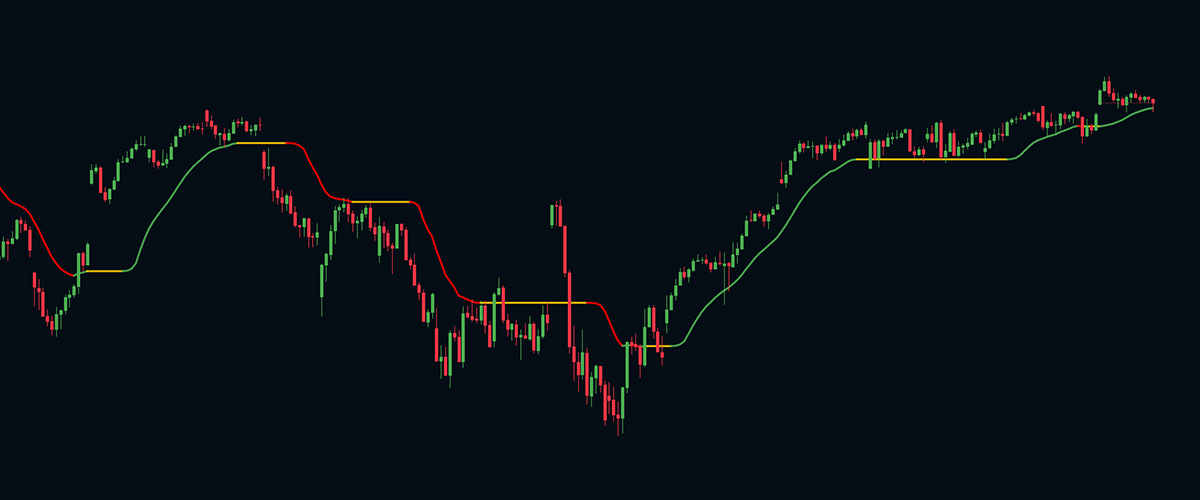
Identifying what stage the market is in helps set realistic expectations for both movement and profit potential. Stage 1 and Stage 3 are consolidation and range environments. In these stages, profits should be taken when available, as extended continuation moves are less likely.
Stage 2 and Stage 4 are momentum driven phases where longer moves may develop. However, traders should remain cautious of counter trend reversals during these stages and understand how that context affects confirmation rules. For example, in a Stage 4 downtrend, short term bullish signals may meet confirmation criteria but still fail if they cannot overcome the broader bearish structure.
Beyond structure, confirmation matters. A high quality trade should present at least three to four independent reasons suggesting momentum is shifting in your favor. It is the primary goal of this article to give you a framework that assigns a weighted value to each indicator to help better understand when the three reason threshold is met. These may include dot transitions, CoreX line reactions, confirmed reversals, or meaningful range breaks. The goal is confluence, not prediction. As mentioned earlier, confirmation rules work better in a momentum environment.
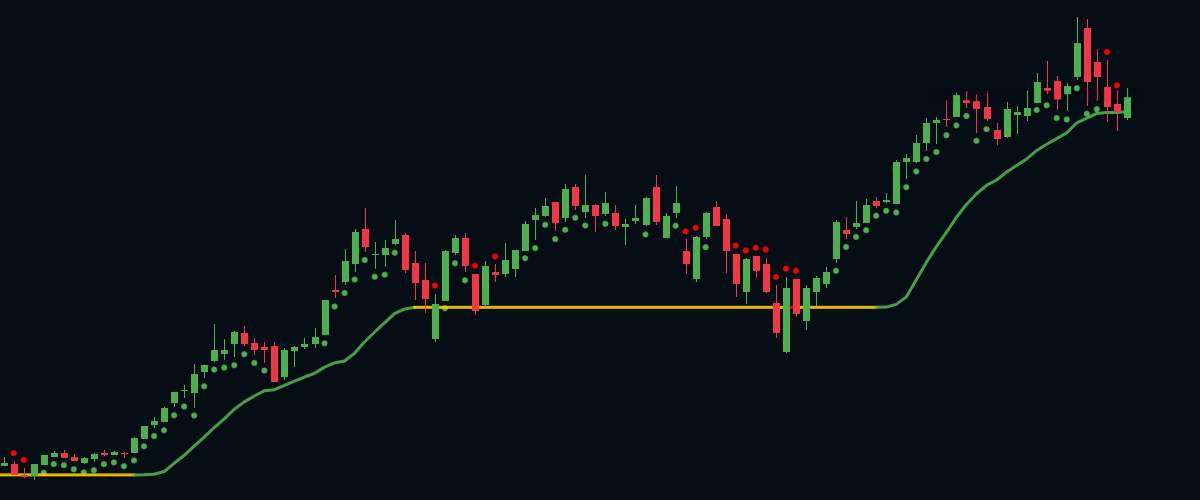
Finally, every trade must include a point where you’re willing to admit the idea is wrong. This point, known as the stop loss, is essential for long term consistency. In many cases, the stop itself can reveal a better entry location. If stops feel too wide or are frequently tested before price moves as expected, it may be a sign that entries need refinement.
Defining an ideal profit target is equally important. Targets become far more realistic when aligned with the current market stage, helping ensure expectations match actual market conditions.
When trading option contracts, identifying logical areas to sell becomes even more critical. By defining profit zones where price is likely to face rejection, whether minor or major, you reduce time exposure on the contract. This helps preserve premium and limit decay while giving you the flexibility to re-enter or add once price action confirms continuation.
If price stalls or pulls back at these levels, the lost time can significantly reduce the value of the contract. In many cases, that premium is not recovered until price meaningfully clears the level again. For that reason, taking profit when it is available plays a key role in protecting gains and managing risk.
A 35% contract drawdown is the point where a position must be re-evaluated or exited. This keeps downside controlled, while allowing trades room to work. If total losses for the day reach 5% of the account, trading stops. The following session is reserved for paper trading only, reinforcing discipline and preventing emotional recovery trades.
Many times cutting a trade can feel like defeat, however, exiting a position protects your account from deeper losses, preserves the ability to re-enter at a better price, and prevents emotional paralysis. Staying too long often turns analysis into attachment. Even if price reverses after you exit, another opportunity will always exist. What matters is keeping your thinking clear before frustration turns into despair.

Risk management is not optional. It is the foundation that keeps traders in the game long enough to improve, learn, and eventually scale. Without defined limits, even good strategies collapse under emotional pressure.
For options day trading, no more than 5% of the account is ever placed at risk at one time. This is a fail safe if contracts rapidly lose value, thereby limiting max exposure. Trades are managed based on contract performance, not dollar P&L. This creates scalable decision making tied to market behavior rather than emotion.
Profit targets are not fixed expectations, they are responses to how the trade develops. On slower, lower conviction moves, a 20% contract gain is often enough. These trades rarely feel exciting, but they are meaningful wins. Walking away here is not weakness; it is discipline. A day that ends green without stress is a great day, even if it doesn’t feel impressive at the moment.
On moves where support or resistance show signs of potential rejection, profits are typically taken around 33%. This is where many traders feel the internal conflict between protecting gains and pushing for more. Choosing to walk away at this level often marks the moment when trading shifts from emotional to intentional.
Stronger momentum trades may allow 65% or greater gains, usually after multiple confirming bars. These moves happen naturally when conditions align, they are not chased or forced. Importantly, the goal is never to hit the upper range every day. Trying to manufacture big days often leads to unnecessary risk and poor decision making. When markets offer these opportunities, they are taken. When they don’t, patience is the edge.
Consistent gains compound faster than occasional large wins. Chasing outsized moves often results in several sessions of giving profits back, sitting through unnecessary drawdowns, or rationalizing trades that fall outside defined risk. Over time, this behavior erodes discipline and blurs the line between strategy and hope. Sustainable account growth comes from repetition and restraint, not from forcing exceptional outcomes.
Overnight positions follow a different rule set. These should be spot positions only, not options, to avoid exposure to overnight volatility, gaps, and decay that cannot be managed in real time.
Breaking risk or profit rules, even on winning trades, damages long term sustainability. Short term gains made through emotional decisions eventually erase progress. Consistency comes from respecting process over outcome, and from allowing the right days to come to you rather than forcing them.

Not every setup deserves full size. Partial positions allow traders to participate while waiting for confirmation.
A 50% position may be taken when early signs align, such as:
If a dot transition is rejected by a major resistance level, the trade should be delayed until price action clearly reclaims that area.
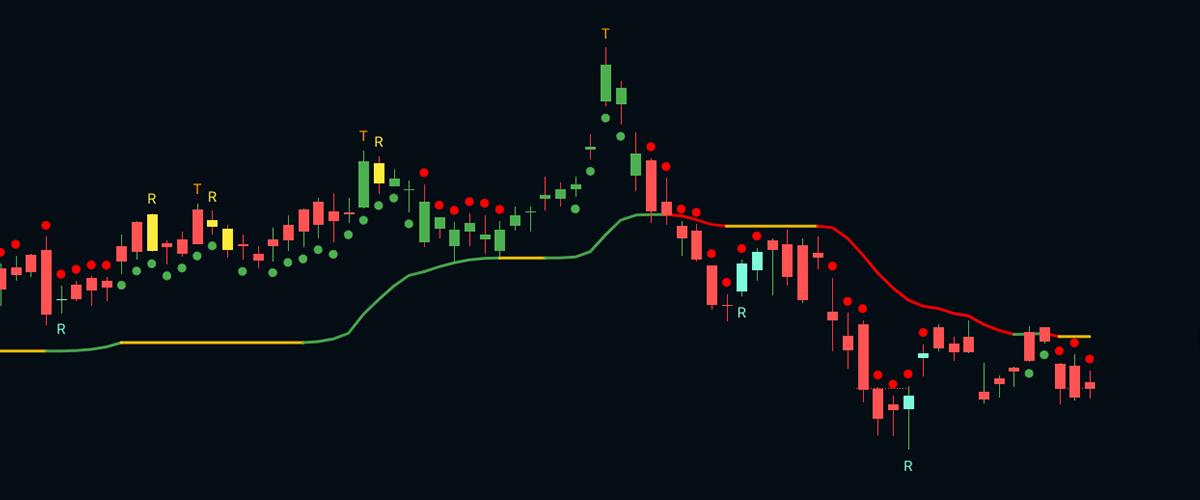
Full size is reserved for setups with strong confluence. A point-based approach helps keep decisions objective.
Major confirmation factors include:
Signals can be invalidated. Once confirmed, a signal is considered failed if price closes back beyond the confirmation bar in the opposite direction.
Secondary confirmation factors add partial weight:
Strength increases when price reclaims failed ranges, snaps back through dot transitions, or shows repeated intraday bottoms or tops supported by VIX divergence.
When multiple conditions align on the same bar, conviction increases significantly. With enough confirmation, position size may be increased incrementally, always within risk limits.
Indicators show opportunity. Rules determine survival.
Markets reward discipline over time and punish emotional decision-making. Traders who fail rarely lack effort. They lack consistency in execution.
PairX provides the structure to read market behavior clearly, but success comes from respecting the rules that govern entries, risk, and position size. When those rules are followed, consistency becomes achievable. When they’re ignored, even the best system eventually fails.