October 14, 2025

How to Set Up and Add PairX Indicators

How to Set Up and Add PairX Indicators

Nulla sed faucibus sit enim diam etiam porttitor augue vestibulum. Fermentum mi diam vulputate massa ipsum elit interdum. Amet morbi in in ac nullam. A eget augue est integer morbi scelerisque a sed porttitor. Nulla est viverra ut venenatis sagittis arcu.

Pellentesque justo fringilla nisl accumsan ut ut amet cursus. Risus et aenean arcu ultrices sed ornare feugiat. Fusce nisl sed egestas in euismod pharetra at. Orci cras ullamcorper at dignissim rutrum volutpat lacinia diam.

Pharetra venenatis integer

Condimentum enim ut nunc, sed magna scelerisque quam nec. Ullamcorper ullamcorper sed erat enim. Pellentesque sit nibh faucibus nunc amet hendrerit rhoncus, phasellus eros. Tincidunt blandit sed sagittis, lectus massa ipsum cras vestibulum. Ac aliquet et, venenatis massa in.

Integer fermentum in tristique justo vel pharetra. Bibendum elit maecenas maecenas tellus dolor commodo dui. Aliquam faucibus tristique et sit. Euismod pellentesque.

At consectetur ullamcorper in integer quam viverra. Pharetra venenatis integer in dignissim aenean vivamus non id. Ultrices pharetra tellus id sed aliquam faucibus. Tincidunt laoreet amet sodales etiam. Convallis tincidunt id nam auctor. Sit velit, molestie nunc.
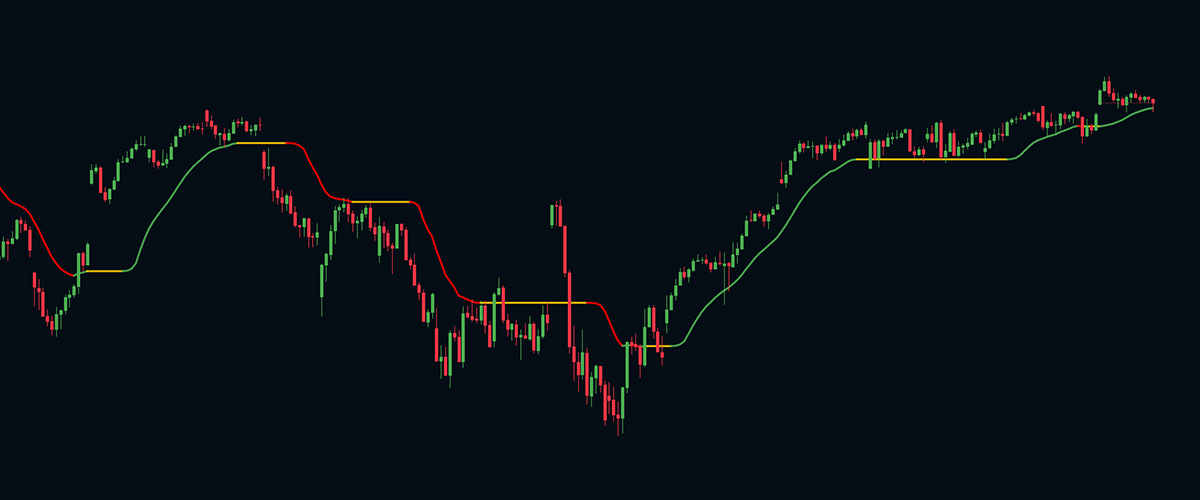
(price action continuously respects the corex line both as a support and resistance level )

CoreX Line

CoreX™ helps visualize the market’s direction while also acting as a dynamic level of support and resistance. As price moves, Our Core Line adapts, guiding your view of trend strength and potential turning points.

How It Works

CoreX Line shifts colors based on trend strength:

  • Green = Bullish momentum

  • Yellow = Caution or consolidation

  • Red = Bearish momentum

When the price is above a green Core Line, conditions are typically bullish. When it’s below a red Core Line, sentiment often leans bearish. The line itself often reacts as a barrier. Price may bounce off it in an uptrend or reject from it in a downtrend.

Support & Resistance Behavior

In strong trends, Core Line often acts as a dynamic floor or ceiling, helping confirm continuation or signaling when momentum is fading. Watching how price interacts with it, whether a bounce or rejection can offer valuable timing insight.

Custom Intensity Settings

Core Line comes with three tuning levels. Low, Medium, and High, so you can match the sensitivity to the asset or timeframe you're trading. The best setting is often the one that’s most respected historically on the chart you're analyzing.

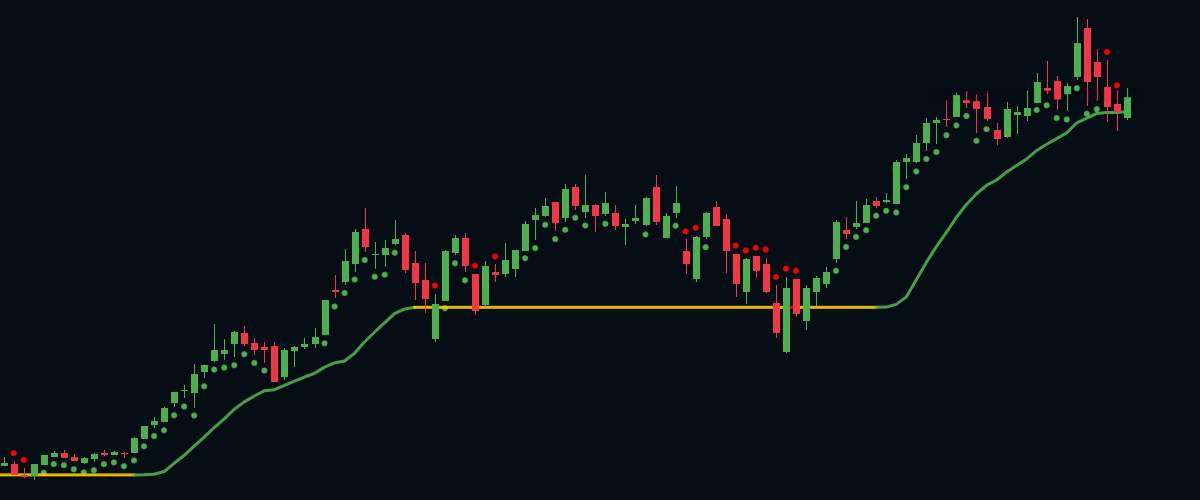
(green dots lead the way through strong bullish uptrends and stop or turn red during losses in momentum)

PulseX Dots

The PulseX™ Dots are the first to react when momentum starts to shift. They track subtle changes in market structure, often showing signs of reversal before the bigger picture adjusts. That makes them valuable for timing both entries and exits when used with discipline. These markers are also powerful as confirmation signals.

The dots have three states, green for bullish, neutral (no dot) to caution the loss of a trend and red as bearish. 

(candles remain green showing strength even in times of temporary downtrend allowing participation in larger moves)

TrendX Bars

The TrendX™ Bars are designed to track broader high conviction market trends so you can catch the moves that matter and ignore the noise. Unlike fast flipping indicators, the Trend Bars don't react to every price adjustment. It’s built to hold its stance longer, making it ideal for identifying major uptrends and downtrends with fewer false starts.

Because of that, the Flow bars help you stay in strong moves and avoid getting shaken out during temporary rallies or short-term pullbacks. Combined with PulseX Dots and CoreX lines, it gives you a complete top down view of market direction, from early signals to full confirmation.

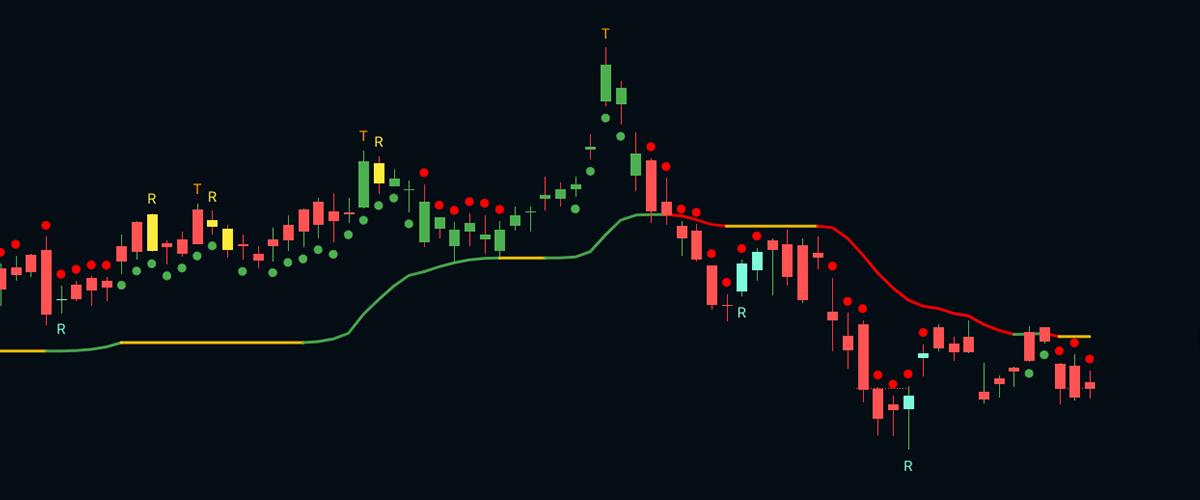
(yellow bars with "r's" over the top of the candle indicate bearish pressure while blue "r's" below the candles show bullish reversals)

Reversals

Reversal Signals appear when price action suggests a directional shift may be underway from bullish to bearish or the other way around. These signals are designed to alert you to potential turning points. 

A reversal signal is considered confirmed when 1 of the next two bars closes above the originations bar top wick (if it is a bullish reversal) or below the origination bars bottom wick (if it is a bearish reversal). It is often true that if a reversal signal fails to confirm the opposite of the signal takes place.

These signals have two states when they trigger, blue when bullish and yellow when bearish. You will also notice that all bearish signals are posted above the candles while bullish signals are positioned below. This remains consistent throughout the PairX suite.

(yellow bars with "r's" over the top of the candle indicate bearish pressure while blue "r's" below the candles show bullish reversals)

Topping Signals

A potential top appears when you see an orange bar with an orange “T” above it. This marks areas where price has pushed up for an extended move and is now showing signs of stalling. These often act as short-term tops, but they can also be the early warning signs of a much bigger macro reversal, so they’re worth paying close attention to.

Topping signals follow the same confirmation logic as reversals. Because this setup points to bearish momentum, the candle that forms after the topping bar must close below the bottom wick of the topping bar. Only then is the top confirmed.